REC
Peptide Frequently Asked Questions Synthesis, Pureness, Storage Space & More
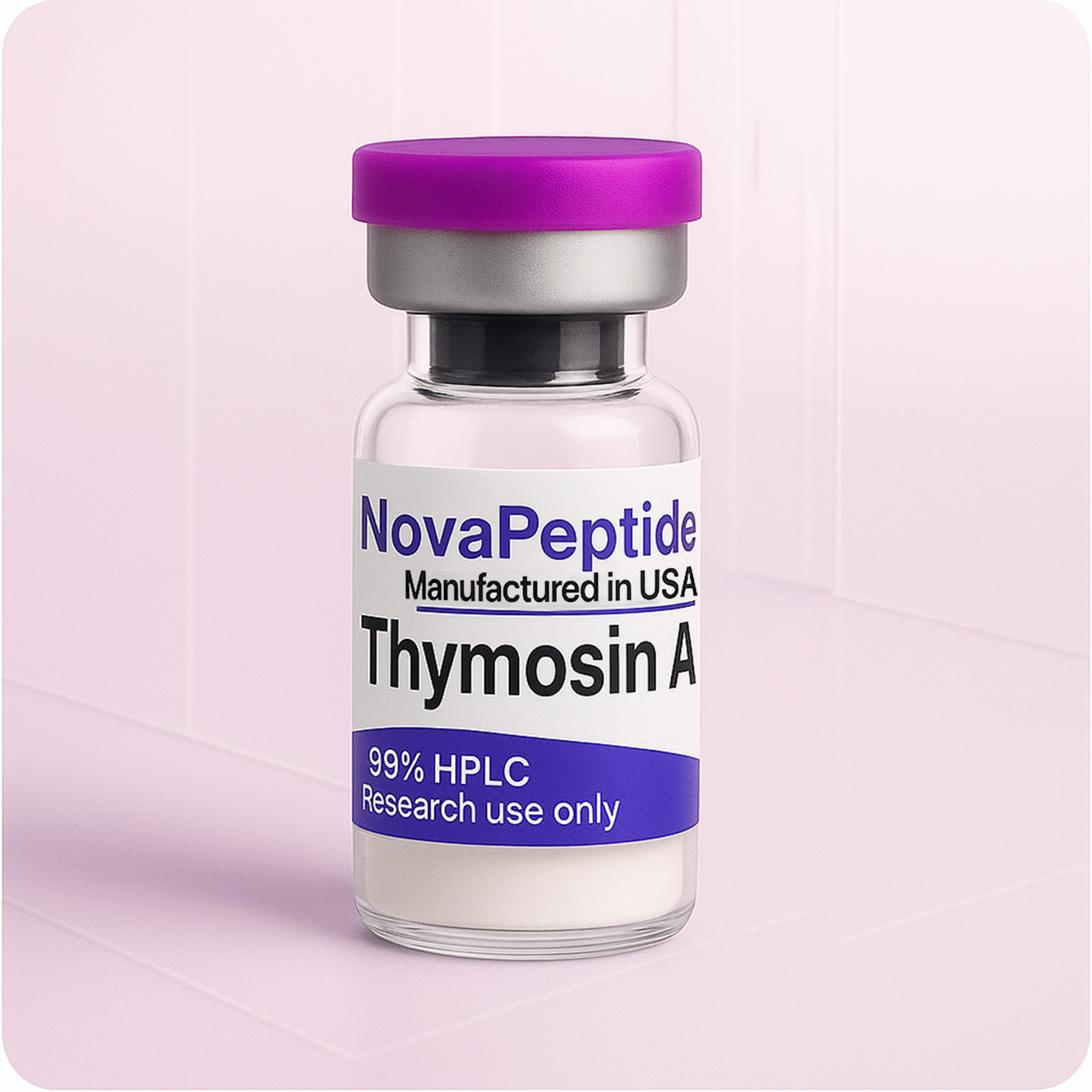
Which Peptides Are Safe? An Overview To High Quality Requirements Unlike prescription medicines, many peptides aren't highly regulated. That implies anyone can offer you a vial identified "BPC-157" without showing what's really inside it, just how much is in it, or whether it's even secure to take. Organizations buying wholesale research study peptides frequently focus on uniformity and top quality verification. Mass spectrometry evaluates molecular mass and can assist confirm peptide identity. Scientists frequently evaluate identity screening to validate that the compound being examined matches the desired peptide. With each other, these devices offer a clear and detailed image of peptide composition, ensuring researchers can trust their data. Various other spectroscopic methods, such as Infrared (IR) or UV-Vis evaluation, are sometimes made use of for quick high quality checks or structural verification. At Maxed Out Substances, we make peptide openness a top priority. Aliquoting reconstituted peptides into single-use portions stops repeated freeze-thaw cycles. The COA documentation normally consists of suggested reconstitution procedures specific per peptide. When a peptide is identified 99% pure, it suggests that 99% of what remains in your vial is the specific peptide you ordered, with only concerning 1% composed of impurities. BPC-157 (10mg)-- $250A 15-amino-acid peptide that increases recovery in soft tissue injuries, protects organs, and battles intestine problems like IBS and leaking gut. Additionally supports angiogenesis for sports recuperation, cardiac health, and boosted performance. At Aspire Renewal, we've curated a detailed magazine of 23+ peptides that meet our strict security and top quality criteria. They're thoroughly picked, carefully tested, and proven to supply results. Every peptide we offer is sourced from pharmaceutical-grade suppliers that follow rigorous Good Manufacturing Practices (GMP). We collaborate with trusted brand names like Project Y Biotech to ensure every batch is examined, classified properly, and risk-free for human use.
Size-exclusion Hplc
Peptide pureness screening describes logical treatments made use of to assess the make-up and top quality of a peptide example. You can have a vial of 99.9% pure peptide that is polluted with bacterial results from a dirty lab. May lack oversight, confirmed pureness degrees, reputable documents, or consistent production controls. The peptide market is however swarming with fake products that can harm your health or lose your money. Detecting fake or low-grade peptides is vital to ensuring you get what you pay for. Every reputable study peptide vendor should offer a certificate of evaluation (CoA) for every lot of item offered.Why Researchers Examine Mass Spectrometry Information
- Higher purity can need more purification work and might affect lead time or rates, so it must be picked for a clear technological factor instead of as a default demand.
- Our board-certified companies evaluate your labs, wellness background, and goals to create a personalized peptide method.
- The area under the main peptide peak, compared to the complete location of all tops, identifies the purity percent.
- In straightforward terms, HPLC is how scientists show that a peptide is tidy, properly made, and worthy of trust.
What is thought about high purity?
Gases that have very low levels of contaminations are high-purity gases. They are fine-tuned to be made up almost totally of the intended gas particles. The degree of pureness of these gases is usually above 99.995% and can go beyond 99.99999%. These gases are graded based on the variety of 9s in the purity level.